"I don't know what your destiny will be, but one thing I know: the only ones among you
who will be really happy are those who will have sought and found how to serve" Albert Schweitzer
Showing posts with label Things To Bring. Show all posts

Saturday, May 1, 2010

Things To Bring #15 - Flexibility And A Positive Attitude

If you read the trip reports in this blog you will find a common theme with respect to the volunteers: adaptibility, flexibility, and a willingness to contribute, no matter how menial the task may be. There are few individual heros at Hopital Adventiste.
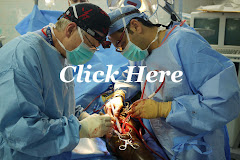
Instead of taking frequent naps in the breakroom like the surgeon above, waiting for a case that falls "within his area of expertise," be proactive and look for ways to help out anyone and anywhere no matter how "demeaning" the project may seem.  Your work at HAH may pertain to your specialty area, or your other talents may be put to good use as needed.  There is no room for an inflated ego while volunteering in Haiti.
The environment at HAH is dynamic, ever-changing, and resembles a post-war zone due to the earthquake related devastation and poverty. Volunteers should be in good health, both physically and emotionally, and mentally strong, and willing to adapt to the situation. Work days are often long and unpredictable. Clinical staff frequently work 12 hour shifts or longer, according to the needs that arise.  Patient and volunteer numbers and requirements fluctuate a lot. 
It is requested that volunteers please come with a willing heart and an open mind - it will truly be an experience of a lifetime.

Please contact Loma Linda University Global Health Institute for more information.

Saturday, April 24, 2010

Things To Bring #14 - Fanny Pack

According to Wikipedia, fanny packs are considered unfashionable by most people and invoke the stereotypical visual of a displaced tourist known around the world. While I am NOT advocating a return to the 70s, wearing a fanny pack, or something similar, is a reasonable option to keep track of personal items while working in the ER, OR, wards, or clinic at Hopital Adventiste d'Haiti.
In mine I kept my passport, wallet, scissors, hand sanitizer, small camera, pen and pad, headlamp, and spare examining gloves.   In spite of the fact that I took heat from the residents for wearing one, I figure that if it's good enough for the Hulk, it's good enough for me.

Another option is a small backpack however that brings with it accessibility issues and I'm sure that I'd leave mine lying around someplace after I had taken it off.  Your mileage may vary.

Thursday, April 22, 2010

Things To Bring #13 - Documentation

I would recommend bringing the following information with you when you visit Hopital Adventiste d'Haiti:
  • Original passport
  • Original driver's lisence
  • Copies of passport and driver's lisence stored separately from originals
  • Copy of your travel itinerary
  • Documentation of training (medical/nursing degrees, specialty certification)
  • Copy of your medical/nursing lisence
  • Chronicle of your personal medical history
  • Copy of personal information (medical info, contact info) to be given to fellow team member

Wednesday, April 21, 2010

Things To Bring #12 - Medication

Disclaimer:  Be wary of taking seriously any medication advice (other than for orthocillin or pain meds) rendered by an orthopaedic surgeon.  The following recommendations are simply made as a guideline/reminder.  Most individuals reading this blog come from a medical background so please exercise your own judgment.
  • Bring two sets of your prescription medications with you and keep them in separate areas in case you lose one.
  • Narcotic of choice for debilitating pain (bring Rx if bringing Percocet).
  • NSAID of choice for mild pain.
  • Azithromycin for infections above the waist (respiratory)
  • Ciprofloxacin for infections below the waist (GI, urinary tract).
  • Ambien if taking "red-eye" flight from West Coast.
  • Chloroquine or Malarone antimalarials.
  • Immodium for diarrhea.
  • Pepto Bismol chewable tablets for an upset stomach.
  • Dramamine for nausea or vomiting.
  • Hydrocortisone cream or Benadryl for rash or insect bites

Things To Bring #11 - Laptop Computer

There is a communal computer present in the volunteer breakroom but it's  subjected to heavy use particularly in the evening.  If you're like me and find it hard to exist without  internet access and don't like to wait in line to check your email, bring your own laptop.
There is a relatively strong WiFi connection at HAH that only falters with one of the frequent power outages.  You can easily obtain the password (which often changes) from administration or from one of your fellow volunteers.
I stored my laptop underneath my cot in the volunteer sleeping quarters and did not fear for its safety.

Things To Bring #10 - Camera

Almost every volunteer brings a camera on their trip to Haiti.  To begin with, I would not recommend bringing an SLR style camera (ie Nikon D300/D700 or Canon 7D/5D) for many reasons.  Unless your specific role is photojournalism, you're here to contribute to the relief effort at the hospital and not primarily to take pictures, so the larger format is overkill. Frequently needing one hand to hang on to a heavy camera body/lens combo dangling around your neck or constantly worrying about where you've left your gear is counter-intuitive to your mission and contributes to an overall lack of spontaneity.
I love taking pictures and own a full frame system, but in this situation, I believe that bringing a small point and shoot camera is the way to go.   All of the images from this 2009 Haiti trip were shot with a small pocket camera and are more than acceptable  for their intended purpose...simple documentation.

You can keep your point and shoot in your pocket or in a fanny pack or belt holster where it will always be accessible.  Furthermore, people are less guarded and more open with the less intimidating size of a point and shoot camera.

If you're looking for camera recommendations, my current favorite from the point and shoot category is the Canon Powershot S90 recently reviewed here.
Don't forget to bring along a spare battery, charger, and extra memory card. 

Stay tuned for an upcoming post on the ethics of crisis photography, but please be sensitive when photographing people, particularly on the hospital grounds.  Put yourself in their shoes and imagine how you would react if a busload of tourists from a foreign country walked into your hospital room and starting shooting pics of you in a flimsy hospital gown writhing around in pain.
A simple rule of thumb is that if y0u can make eye contact with your subject, you can easily communicate (you don't have to be fluent in French or Creole) your intent to take their photo.  If they convey an objection, respect their wishes and don't take their picture.

Monday, April 19, 2010

Things To Bring #9 - Cell Phone

I think it's a mixed blessing to bring a cell phone to Haiti.  It's comforting to have an emergency backup to exchange information with the folks back home, especially if you're in Haiti by yourself.  On the other hand, part of me feels that it takes away from the overall experience to be so readily accessible.  I didn't activate mine during the two weeks I was there as I didn't want to be deluged with "emergent" requests for back to work orders or excuses from PE.

I must admit that it could get a little annoying trying to care for patients with a team member who is constantly taking a break to receive a call from a concerned loved one wanting yet another update. 

Maybe a reasonable compromise would be to have one member of your group be the designated contact person for emergencies only.  There is also a free land line in the break room that you can access, if it's not too busy, to call home if necessary.
Never the less, if you feel compelled to use your own cell phone during your stint at Hopital Adventiste, it is in your best interest to contact your carrier in advance to determine what the best pricing options are.

Haiti uses a GSM network.  CDMA phones do NOT work in Haiti.  Click here to find out more about the difference between the two technologies.

AT&T is widely believed to provide the best service at HAH.  If you're an AT&T customer, discounted roaming packages are outlined here.
If Verizon's your carrier, here are the rates if placing a call from Haiti or in Haiti receiving a call from the US.

If you're a Sprint customer, click here and select Haiti.

If you're paying the phone bill to T-Mobile, click here.

Things To Bring #8 - Toilet Paper

Just received word that of this date there is a shortage of toilet paper in the hospital so it might behoove each volunteer to bring their own personal supply.
haitibones.org engineers are "on the job" at this moment  trying to determine how many rolls to recommend each volunteer to bring for each week of stay.  In the meantime you might be interested in referencing this site for an in depth analysis.
Another option that has been suggested is to also bring a supply of moist disposable toweletes to aid with cleanup.  

Remember do NOT attempt to flush down any toilet paper or towelettes as they will clog the toilet.  There is a receptacle placed adjacent to each toilet bowl where you are to place any and all paper goods.
Kudos to volunteer Karen F for bringing this shortage to our attention.

Sunday, April 18, 2010

Things To Bring #7 - Food

I Skyped Scott yesterday and received up to date information on the food situation.  Yes, it's true that the prepared food is NOT as plentiful as it once was now that the Supreme Master has left the building but there is usually one Haitian meal available per day per volunteer.  It also remains true that if you're unable to make it to the volunteer break room in a timely fashion, the meals may run out.
The mid-day meal usually consists of rice, beans, vegetable protein, and a vegetable.  Our team overall thought that they were quite tasty and in my opinion greatly enhanced with a small shot of your favorite hot sauce.
My current recommendation is Sriracha made from sun ripened chilies which are ground into a smooth paste along with garlic and packaged in a convenient squeeze bottle perfect for travel on the airlines. 
I would also recommend bringing along at least one protein/energy bar per day that you are there.  Make sure that you taste test them before leaving as some of them (particularly the high protein variety) have a bit of a funky taste and you might not find them palatable.  Other options include dried fruit, trail mix, nuts, jerky, etc.
There also continues to be a plentiful supply of the previously reviewed Humanitarian Daily Rations (HDR) in the break room.
I also noticed some volunteers who had brought along a plastic jar of their favorite peanut butter.  There is a tube of highly processed peanut butter in each HDR but it seems a shame to break down the whole package just for that.  Bread can be purchased locally or you can simply eat the peanut butter by the spoonful.
As alluded to above, there is a small but reasonably well stocked market in the local village, a short 5 minute walk from the hospital.  It is probably a good idea NOT to make the trip alone, particularly if you're a female.

There are also roadside stands and wandering vendors outside the hospital front gate.  It is recommended that if you purchase fresh fruits and vegetables that they should ideally be of the variety that requires peeling and not washing in order to avoid untoward GI repercussions.
The bottom line is that it's not difficult to find at least 3000 cal of food per day to sustain you.  The most common scenario I observed was that the volunteers brought too much supplementary food with them.  So, if you're like many of us, it may not be a bad idea to restrict your caloric intact during the duration of your trip and in addition to your service, consider donating a pound or two to the volunteer experience.

Saturday, April 10, 2010

Things To Bring #6 - Water Bottle

One of the keys to survival at Hopital Adventiste d'Haiti, especially during the hot, humid months, is to keep well hydrated.  If your pee is yellow, you need to keep drinking.  

There is a plentiful supply of water in plastic bottles available for the volunteers left by various aid organizations.  I encourage you to conserve, protect the environment and NOT to use them but bring your own water container.
As noted previously, there is an abundant supply of fresh water purified on the premises and it makes no sense to use the so-called "recyclable" bottles as they will simply get tossed away contributing to the overwhelming piles of debris accumulating around the city.  
Many people bring packages of powdered sports drinks to prevent electrolyte depletion.  If you choose to do so, I suggest that you not bring a bottle which is more difficult to clean such as the popular CamelBak Better Bottle with its Big Bite valve and straw down the center. Keep it simple if you plan on drinking sugary beverages that may gum up tubing.
The water cooler is located up in the volunteer lounge.  If the cooler is empty, replace it with one of the full ones on the floor making sure to wipe the lip of the bottle with an alcohol swab to prevent contamination.
Whatever you do, do NOT drink unpurified water and be especially careful NOT to drink the water in the shower or rinse your mouth with tap water after brushing your teeth.

Friday, April 9, 2010

Things To Bring #5 - HIV Prophylaxis

The risk of HIV transmission is a commonly expressed concern for volunteers.  I've even heard of a potential volunteer query as to what the hospital "evacuation plan" would be in the case of a needle stick.  The short answer is, don't expect to be airlifted back home.  However, my understanding is that the hospital will provide enough post exposure medication, currently the 2-drug protocol Truvada and Kaletra, until the volunteer returns home where he/she is responsible for obtaining the remaining medication to complete the treatment regimen.

The immediate use of antiretroviral drugs to prevent HIV sero conversion after exposure to potentially HIV-infected blood or body fluids is called Post-Exposure Prophylaxis (HIV-PEP).  
Since HIV-PEP is not 100% effective, the importance of primary prevention must be reinforced and everyone working in the OR and on the wards must pay meticulous attention to proper management and disposal of sharps.
If you experience a needlestick or sharps injury or were exposed to the blood or other body fluid of a patient during the course of your work at HAH, immediately follow these steps:
  • Wash needlesticks and cuts with soap and water
  • Flush splashes to the nose, mouth, or skin with water
  • Irrigate eyes with clean water, saline, or sterile irrigants
  • Report the incident to the Director of Nursing or Medical Director
  • Draw blood for HIV testing from patient if they can be identified
So the bottom line is that there is nothing to bring with respect to HIV prophylaxis but use standard precautionary practice (same as you would back home) to avoid exposure.

Thursday, April 8, 2010

Things To Bring #4 - Malaria Prevention

Malaria is characterized by fever and influenza-like symptoms, including chills, headache, myalgias, and malaise; these symptoms can occur at intervals.  Malaria symptoms can develop as early as 7 days (usually at least 14 days) after initial exposure in a malaria-endemic area and as late as several months or more after departure.

Minimizing the chance of contracting the disease falls under two categories, chemoprophylaxis and avoiding getting bit by a mosquito.

All currently recommended primary chemoprophylaxis regimens involve taking a medicine before travel, during travel, and for a period of time after leaving the malaria endemic area. Beginning the drug before travel allows the antimalarial agent to be in the blood before the traveler is exposed to malaria parasites.

Since Haiti is a Chloroquine-sensitive malaria zone, the many effective chemoprophylaxis alternatives include chloroquine, atovaquone/proguanil, doxycycline, and mefloquine.  Each drug has its pros and cons, more information can be obtained here so you can make a decision on the correct drug for you. 
Last year I spent a month in Malawi and never slept under mosquito netting , rarely used bug spray, and never got bit.  My first night at Hopital Adventiste, I slept with netting but used no bug spray and I got eaten alive...I counted 23 mosquito bites, mainly around my wrists and ankles. Some of these lesions later festered after I scratched them which made scrubbing for surgery rather irritating.  So I rapidly became a believer and became more proactive with respect to prevention.

Zach Hadley (photo below) demonstrating proper technique for sleeping under mosquito netting.  There are plenty of quality mosquito nets available (pic above), no need to bring your own.  However, make sure that the sides are tucked closely around your cot to minimize the chance for winged foreigners to invade your space.
I ran across the item below in the REI catalogue, it looks interesting and I may give it a shot next time I go.  The Sea to Summit Insect Shield CoolMax Adapter bag liner is specifically designed for use in warm, humid and buggy conditions providing odorless insect protection and moisture management.
The most effective repellent against a wide range of vectors is DEET (N,N-diethylmetatoluamide), an ingredient in many commercially available insect repellents. The actual concentration of DEET varies widely among repellents. DEET formulations as high as 50% are recommended although higher concentrations can irritate the skin.  DEET should be applied to the exposed parts of the skin when mosquitoes are likely to be present.  Don't forget to reapply to the upper extremities after scrubbing for surgery.


Wednesday, April 7, 2010

Things To Bring #3 - Sleeping Gear

This particular topic falls under the "personal preference category."  Many volunteers brought tents and either placed them on top of one of the cots in the general sleeping area or pitched them in the hallway.  I personally wouldn't recommend it as it seems to me that a tent would block airflow from the fans.  I slept on one of the army-style cots without bringing a sleeping pad and found it to be quite comfortable.

I decided not to bring a sleeping bag and I'm glad I didn't.  Instead I bought a Coleman Strauts Fleece Sleeping Bag Liner (photo below) for $17.  The nights are so hot and humid that a sleeping bag is overkill in my opinion.  However, depending on the flow of fans around you (see photo above), there can be a cool breeze blowing necessitating a thin layer of protection such as the aforementioned sleeping bag liner.

I also purchased the Coleman Fold and Go Camp Pillow seen below for $10.
The ultimate solution with respect to comfort is reserving a room at the Hotel Auberge du Quebec.  The hotel is within a 15 minute walk from Hopital Adventiste d'Haiti (not recommended at night or unaccompanied) or a 5 minute tap-tap (cab) ride.  One member of our team stayed there and was very pleased with the accommodations.  The restaurant service is incredibly slow so order an hour before you want to eat.  Order a soda at the bar while you wait and entertain yourself with stories from fellow expat volunteers.
Yes, this really is a picture of the pool at the Hotel Auberge.  Although I didn't take advantage of the opportunity, I'm sure that a quick dip would have been a welcome respite from a long, sweaty day in the operating room.

Sunday, April 4, 2010

Things To Bring #2 - Headlamp

As we've pointed out in previous posts, the lighting is poor in all three operating rooms and there are frequent power outages.  Both of these circumstances dictate that the surgeon should bring a source of supplementary lighting.
The best option is the 100 lumen Saint LED Headlamp from SureFire for $165.  We used these in Haiti and found them to provide excellent field illumination.  One nice feature is the dual-fuel battery pack which utilizes one, two, or three 123A lithium or two AA alkaline batteries.  A single-battery adapter cap is included that converts the headgear to a lightweight version.
A cheaper option, and my personal favorite for a small headlamp, is the 60 lumen Petzl Tikka XP 2 at $47.  Don't forget to bring extra AAA batteries.

Saturday, April 3, 2010

Things To Bring #1 - Plastic Storage Box

This is the first installment in a new series of posts entitled the "Things To Bring" where we highlight an object that is worthwhile to pack if you are so inclined to volunteer in Haiti.  Some of these items will be of a general nature, others will be more specific to orthopaedic surgery.  The assigned number has no inherent hierarchical implication.
There is always a need for more equipment and supplies at the Hopital Adventiste d'Haiti so it is a good idea to bring a couple of large containers to hold as much gear as possible.  Some people bring old suitcases and simply leave them at the hospital when they leave.  But these luggage items are of limited value once they have served their purpose as a transport vessel.  I have found that something like the Plano Wheeled Storage Box ($40 from Amazon) to be a  more practical option as it is able to function as a useful storage container for the hospital once the volunteer has vacated the premises.
When traveling to Haiti, American Airlines baggage limitations allow you to check 2 bags each not to exceed 50lbs in weight or 62in in combined length + width + height.  Since we are ostensibly doing the Lord's work, it is acceptable to use the Haitian foot relief maneuver  (big toe under the lip of the scale) when checking in your bags in order to carry more supplies.  

Although the combined length + width + height of the Plano Storage Box exceeds the aforementioned restrictions, I was able to check in 3 of these boxes even after the agent measured them.  

I also appreciated the wheels which make the heavy boxes easier to maneuver.